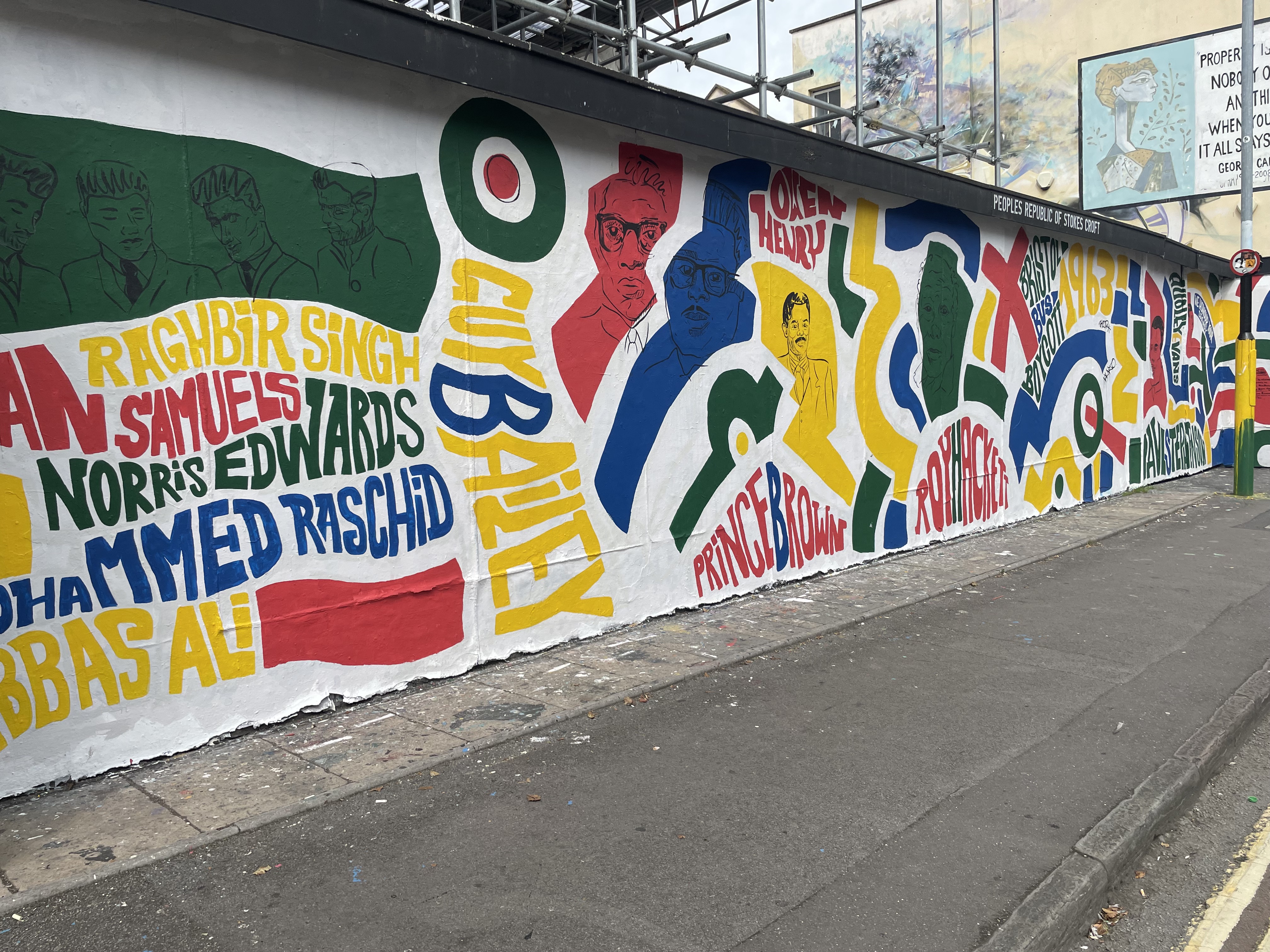
How do we imagine new worlds when we are so often told they are impossible or unattainable? In what ways do we persist, resist, to reimagine new ways of being? How are our thoughts framed in and bound by our social structures, and where is agency and resistance made? Here are a collection of quotes in no particular order from a variety of authors on imaginations, utopias, radical/(ir)rational imaginaries. I’ll continue to update as I come across them:
“Utopian models are explicitly holistic, imaginary, critical, normative, prescriptive and (often) future-oriented … utopia involves the imagining of a reconstituted society, society imagined otherwise, rather than merely society imagined” (Levitas, 2013: 84)
“The imagination is a tool in the creation of new interpretative structures which bring the relief of closure” (Oakley, 2007: 22)
“The truth was that he could only take care of Eva if she was on the outside and working too. His letters boasted confidence in the future, but each strident assertion of what might or could be masked the doubt lurking in every line: How would they live? Would they ever be able to do better than struggle to survive? Or live the beautiful like they never stopped imagining for themselves?” (Hartman, 2021: 273)
“The heterosexual imaginary is that way of thinking which conceals the operation of heterosexuality in structuring gender and closes off any critical analysis of heterosexuality as an organising institution. The effect of this depiction of reality is that heterosexuality circulates as taken for granted, naturally occurring, and unquestioned, while gender is understood as socially constructed and central to the organisation of everyday life” (Ingraham, 1994: 203-204)
“narrative is perhaps the principle instrument for the dissemination of ideology in the modern world, since people are taught to absorb narratives that obscure analysis of their social situations by portraying illusory images of it” (Williams, 2001: 47)
“In the nonhierarchical, productive sociality that is collaboration—with human and nonhuman others—possibilities emerge for different relations to the future, different assemblages of kinship, and different relations to the Planet. Far from “mere” escapism, then, the stakes of thinking of fiction as method are, again, the highest” (Shaw & Reeves, 2017: 53)
“She will only look into herself to find others, memory and the imaginary of the past of others, to seize the changing of ideas, beliefs and sensibilities, the transformation of people and of subjects she has known” (Ernaux, 2008: 237 cited in Redi, 2009: 5)
“utopia’s ‘nowhereness’ incites the search for it” (Kumar, 1991: 3)
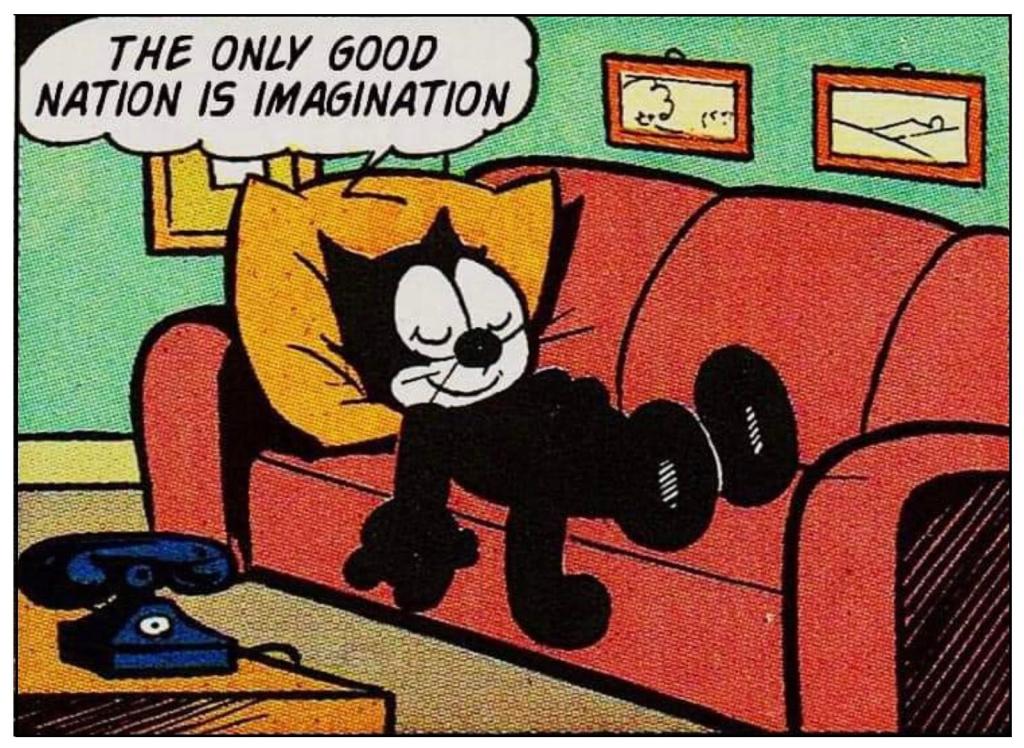
“Desire is the site in which demand and need are never reconciled, and this makes of desire a permanently vexed affair. Further, desire is never fulfilled, for its fulfilment would entail a full return to that primary pleasure, and that return would dissolve the very subject which is the condition of desire itself. Hence, the fulfilment of desire would be its radical self-cancellation. Desire thus emerges at an infinite distance from pleasure, indeed, always at the cost of pleasure, but also always at the cost of a conformity to the symbolic law” (Butler, 1995: 381)
“Cyborg imagery can suggest a way out of the maze of dualisms in which we have explained our bodies and our tools to ourselves. This is a dream not of a common language, but of a powerful infidel heteroglossia. It is an imagination of a feminist speaking in tongues to strike fear into the circuits of the supersavers of the new right. It means both building and destroying machines, identities, categories, relationships, space stories” (Haraway, 2016: 67-68)
“the food/death imaginary we have lost touch with is a key
to re-imagining ourselves ecologically, as members a larger earth community of
radical equality, mutual nurturance and support” (Plumwood, 2012: 19)
 imaginaries
Leave a comment